Modular Wearables — visual spec
A wardrobe, composed from parts.
One recursive primitive runs the whole system: parts build a garment, garments build a look, a look dresses an avatar — each level a spec that references its pieces and bakes on demand. These seven figures are the argument, drawn.
Fig. 01The primitive
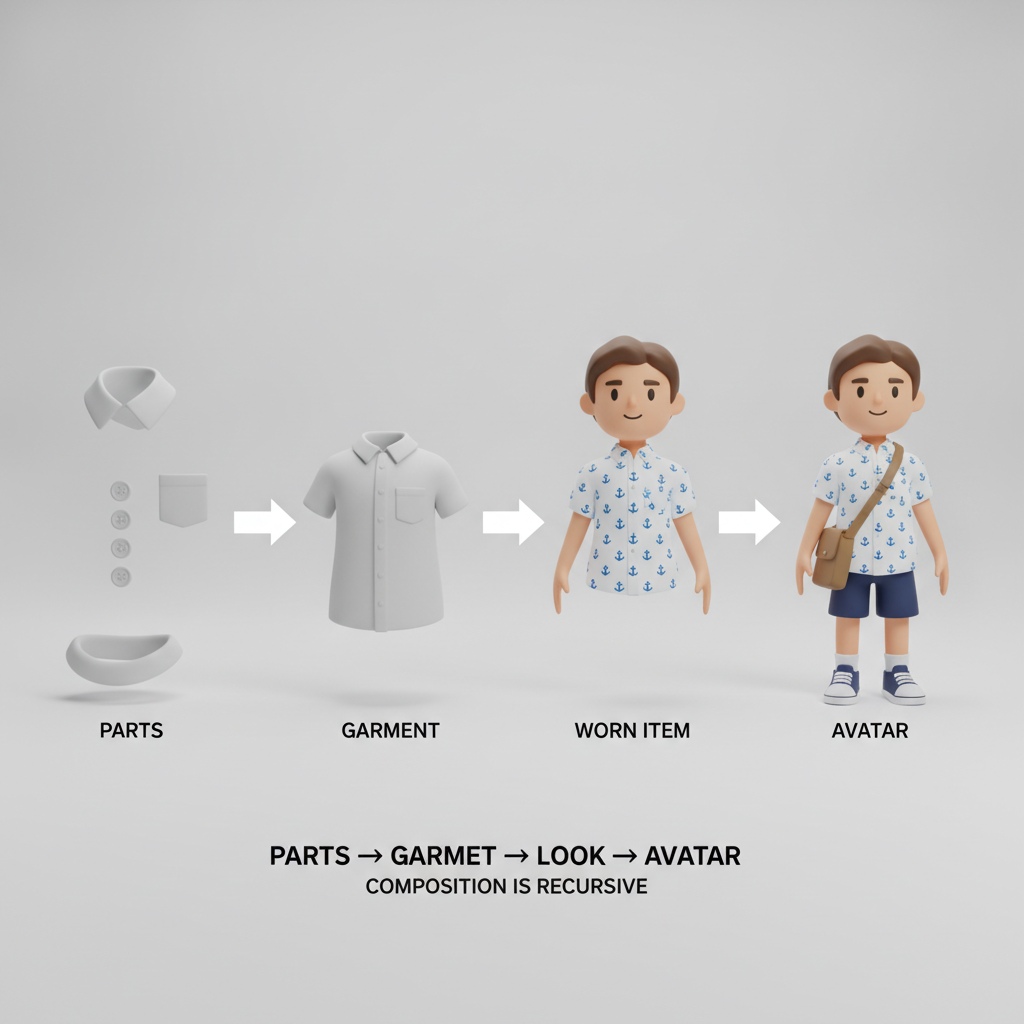
Composition is recursive.
Parts assemble into a garment, a garment plus modifiers becomes a worn item, worn items dress an avatar. The same mechanism at every scale — content-addressed spec in, baked asset out — so nothing needs a new engine.
Fig. 02Sockets
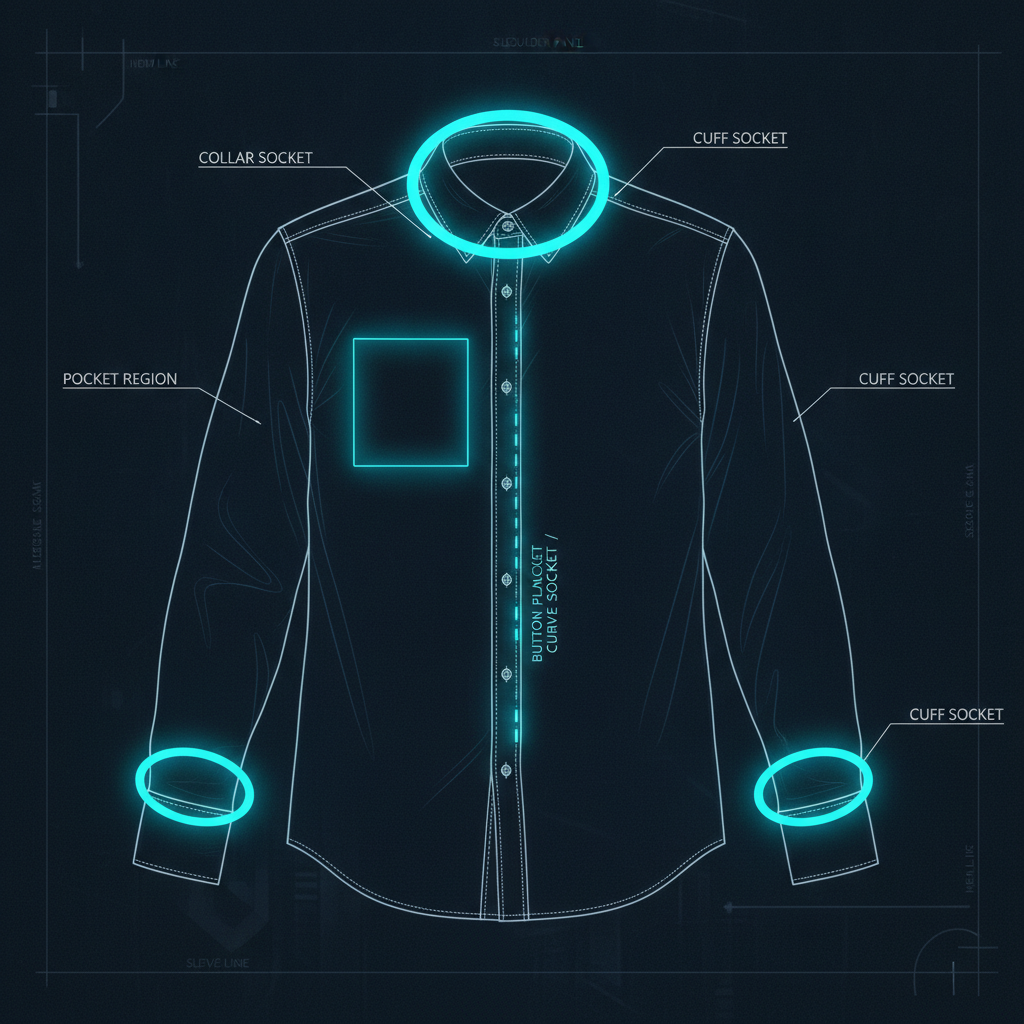
A garment is a core plus named sockets.
Each socket is a typed attachment point — fixed (collar seat), region (a pocket you slide on the chest), or curve (buttons down a placket) — that any compatible part snaps into.
Fig. 03Shape family
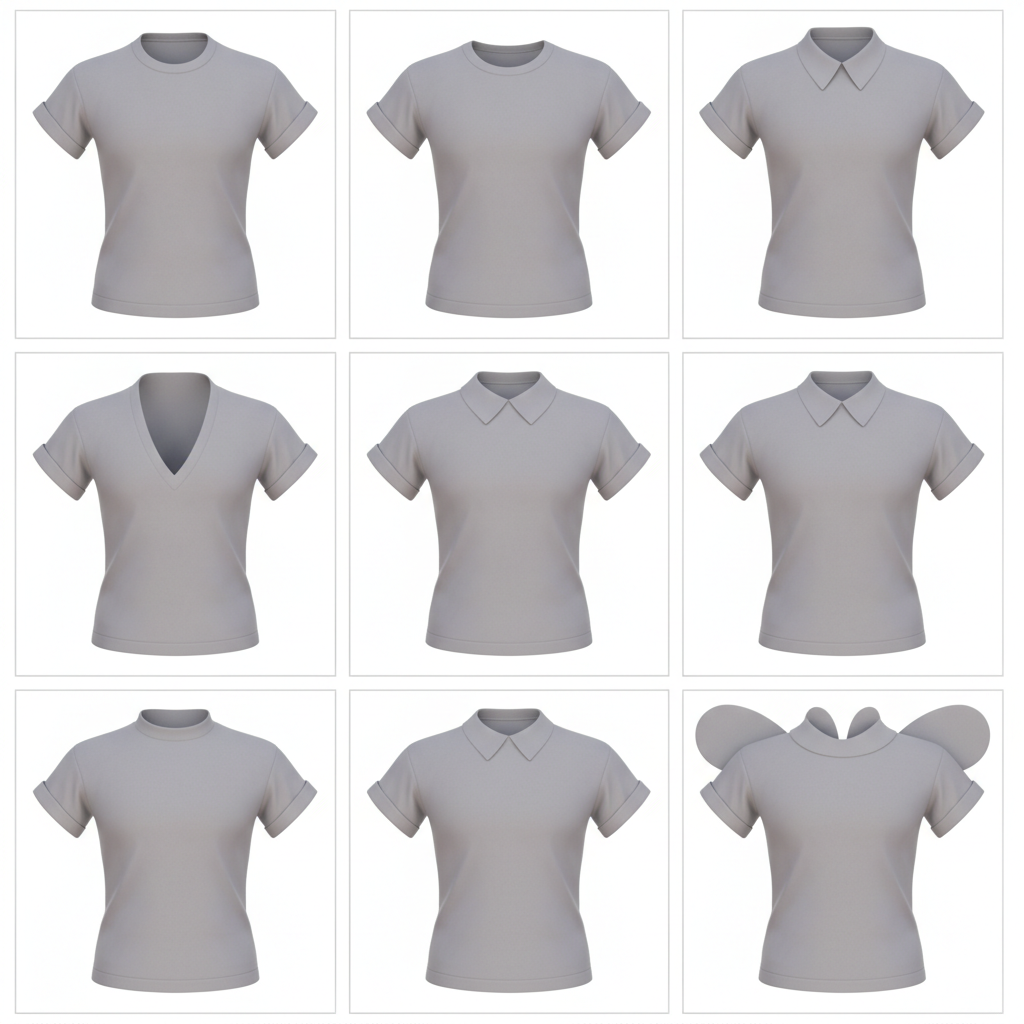
One socket, a family of parts.
Crew, v-neck, mandarin, point, spread, butterfly — interchangeable collars that all mate the same neckline. A shape_family is just the parts that share a socket interface.
Fig. 04Toggles
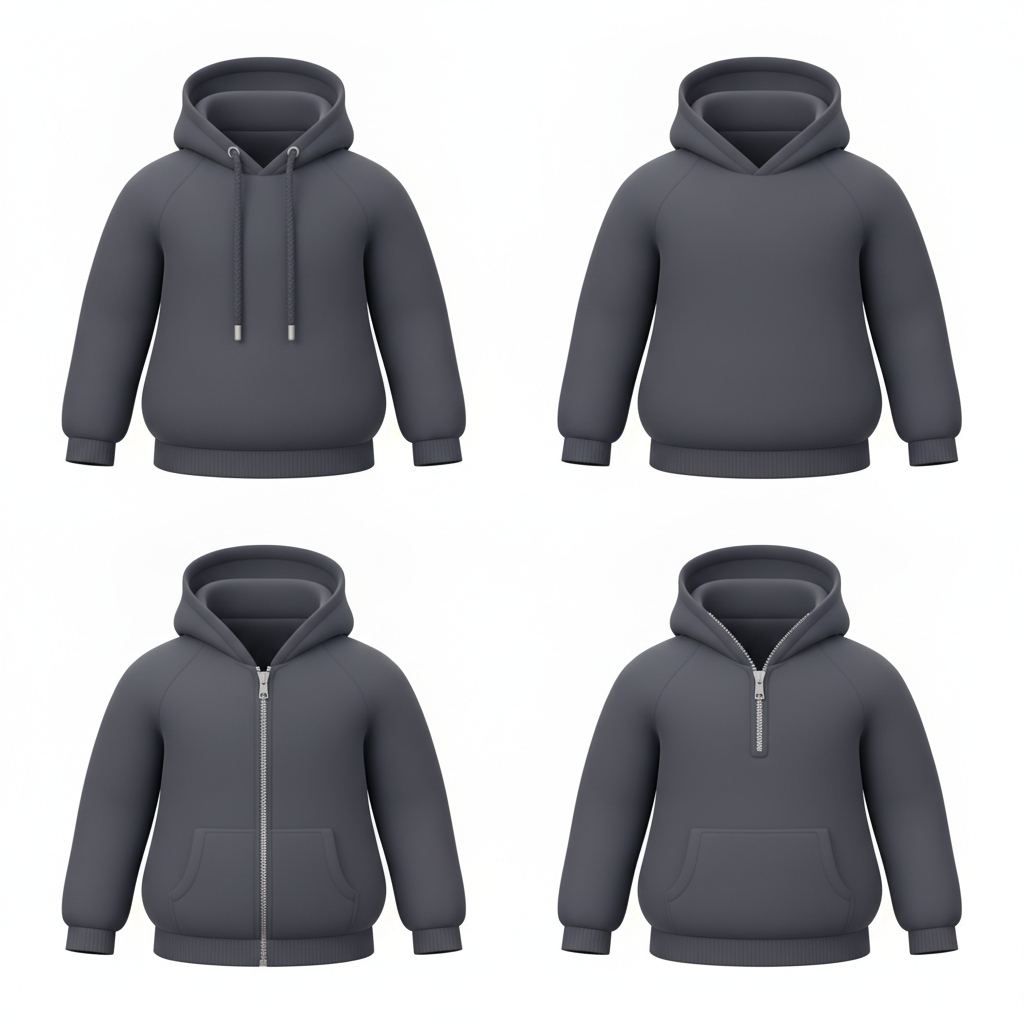
On, off, or swapped — in the spec, not the mesh.
Drawstring present or absent; pullover, full-zip, or half-zip. These are toggles and variants on the hoodie's closure socket — configuration lives in the worn-item spec, never a duplicated asset.
Fig. 05Assembly
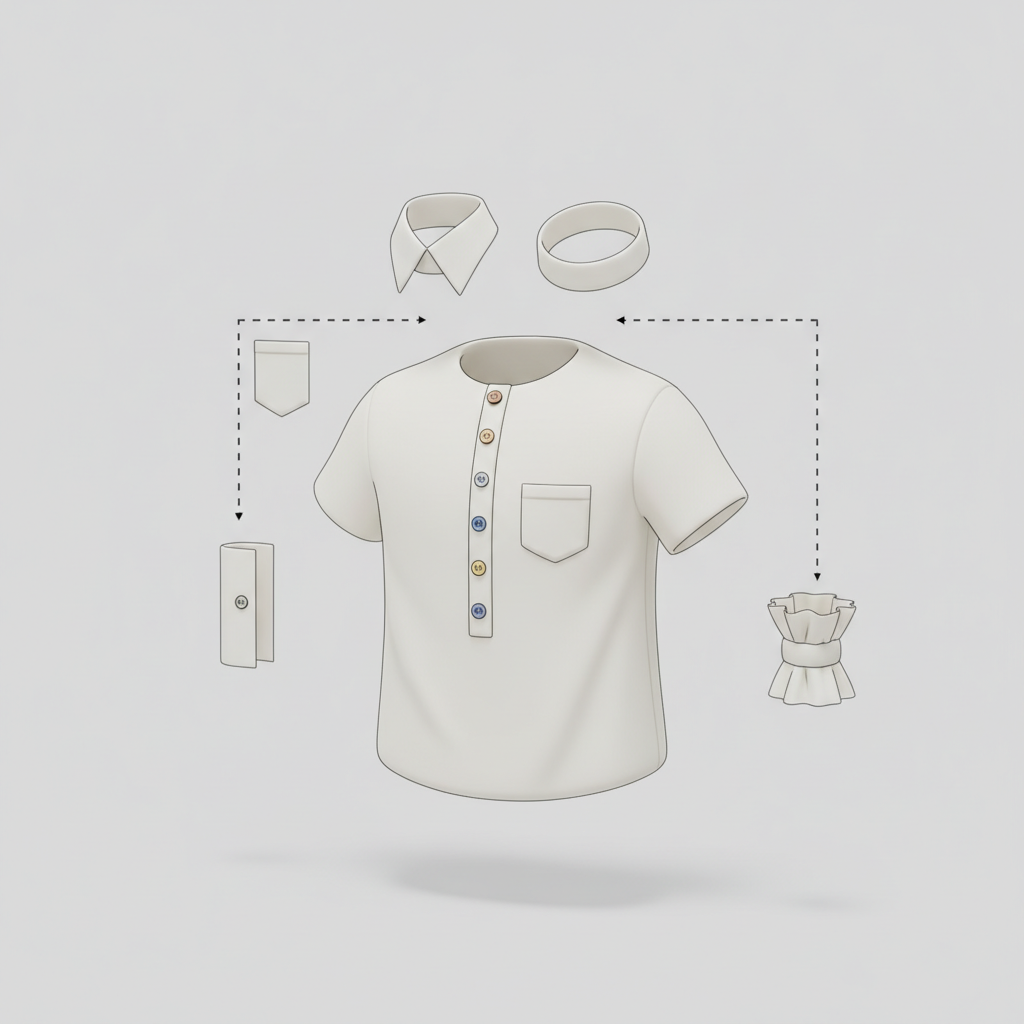
Kit of parts.
Snap collars, cuffs, and pockets onto a core. A small parts library across many cores spans an enormous garment space with almost no new geometry — and a miss can generate a missing part, not a whole garment.
Fig. 06Colorway
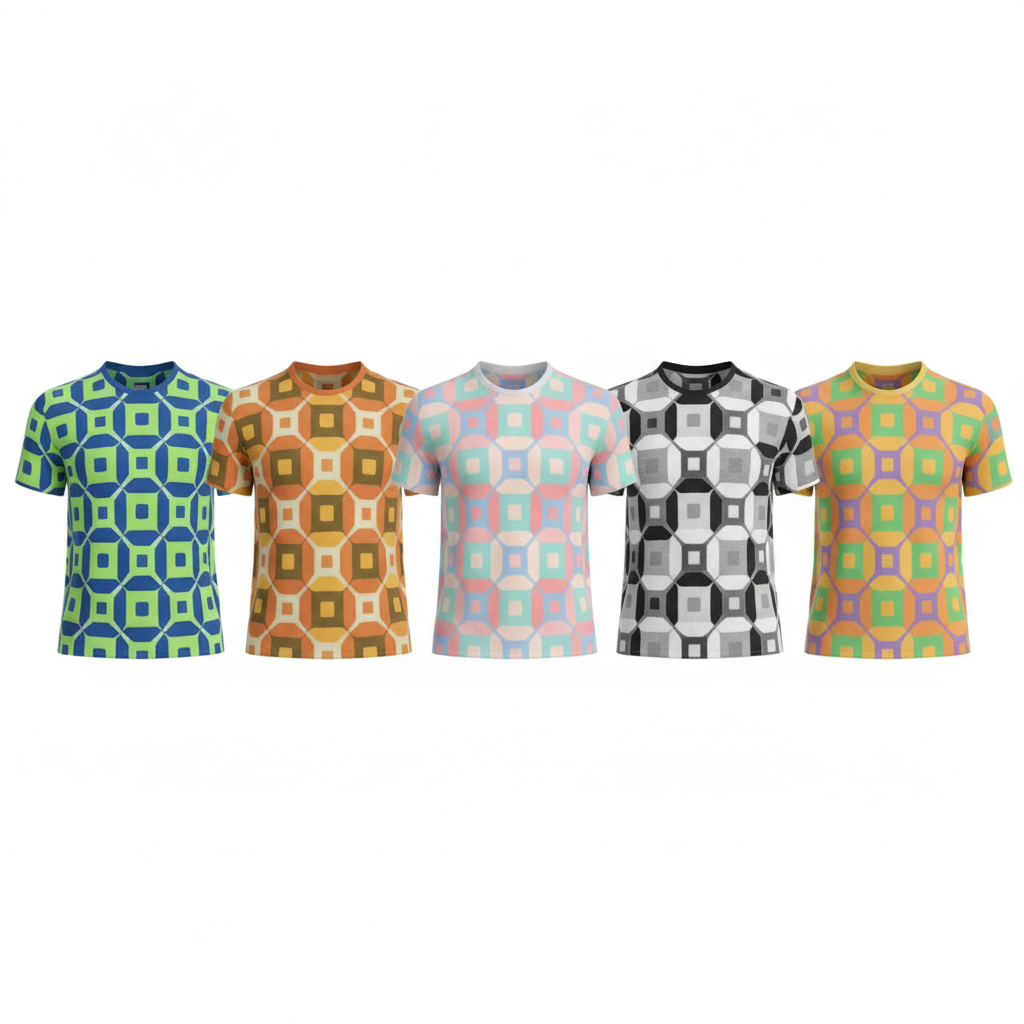
One pattern, many looks.
Dynamic recolor of a single palette-separable pattern — infinite colorways from parameters, zero new textures, applied live in the shader.
Fig. 07Parametric
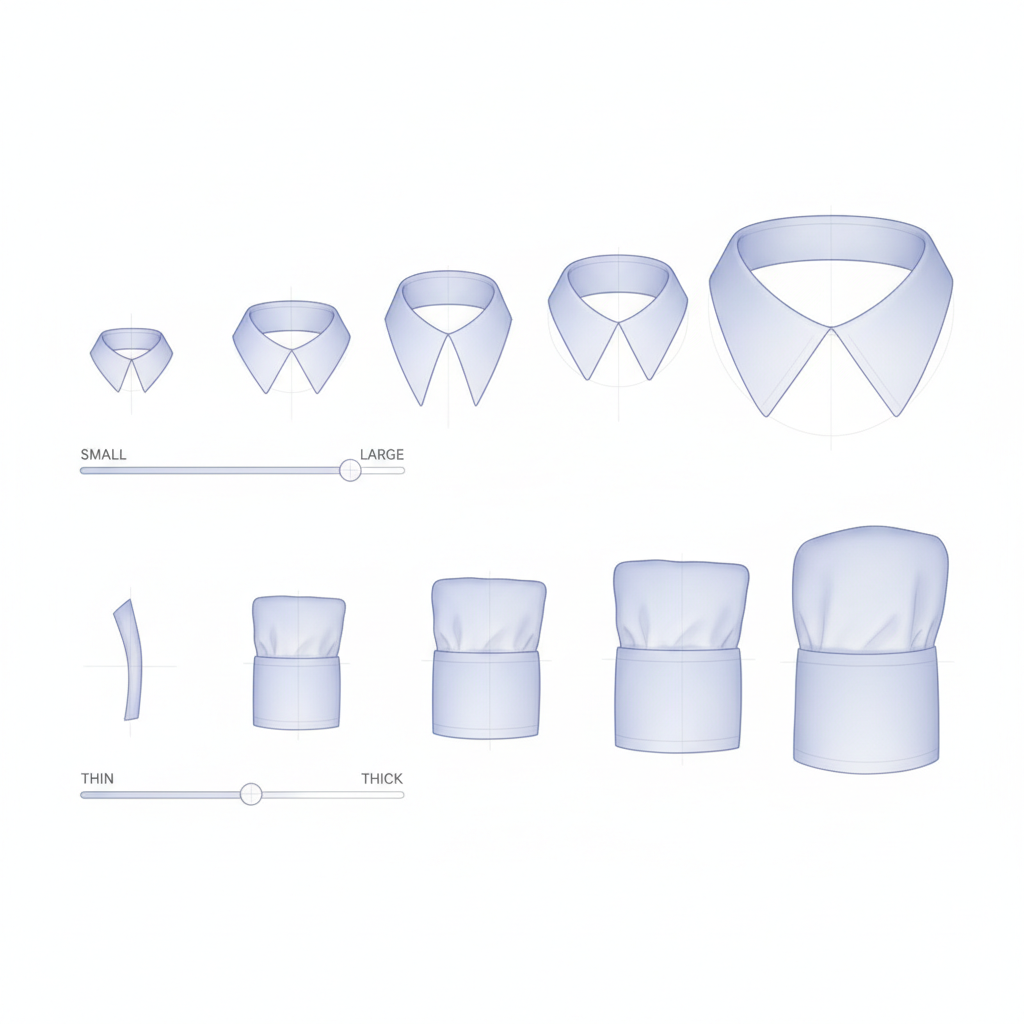
Shape is a slider, not a shelf.
Collar size, cuff width — continuous parameters blended across a gamut, so you tune to the perfect proportion instead of picking from discrete meshes. Same principle as a body morph, applied per part.
The payoff, stated plainly.
small parts library × many cores × parametric shape = a vast wardrobe, almost no new geometry.
Every figure above is one composition spec resolved and rendered. That is the whole system — reuse first, generate only the genuinely new part, and bake on demand.